👋🏼 Hey, I’m Jeremy Mrzyglocki
I studied Electrical Engineering and Information Technology at the Technical University of Munich (TUM). In 2025, I was a Visiting Student Researcher at MIT CSAIL, where I collaborated on research projects with the groups of Prof. Erik Demaine and Prof. Stefanie Mueller — some of which I am happy to share here as they are completed. I studied engineering with the goal of understanding as much as I can about how the technology of our world works.
Besides that, I am a passionate “Speedcuber”. I have traveled to competitions around Europe and the US to compete against others in solving Rubik's Cubes as fast as possible — or, in the case of my main event “Fewest Moves”, as efficiently as possible. Feel free to reach out to me via jeremy@mrzyglocki.com!
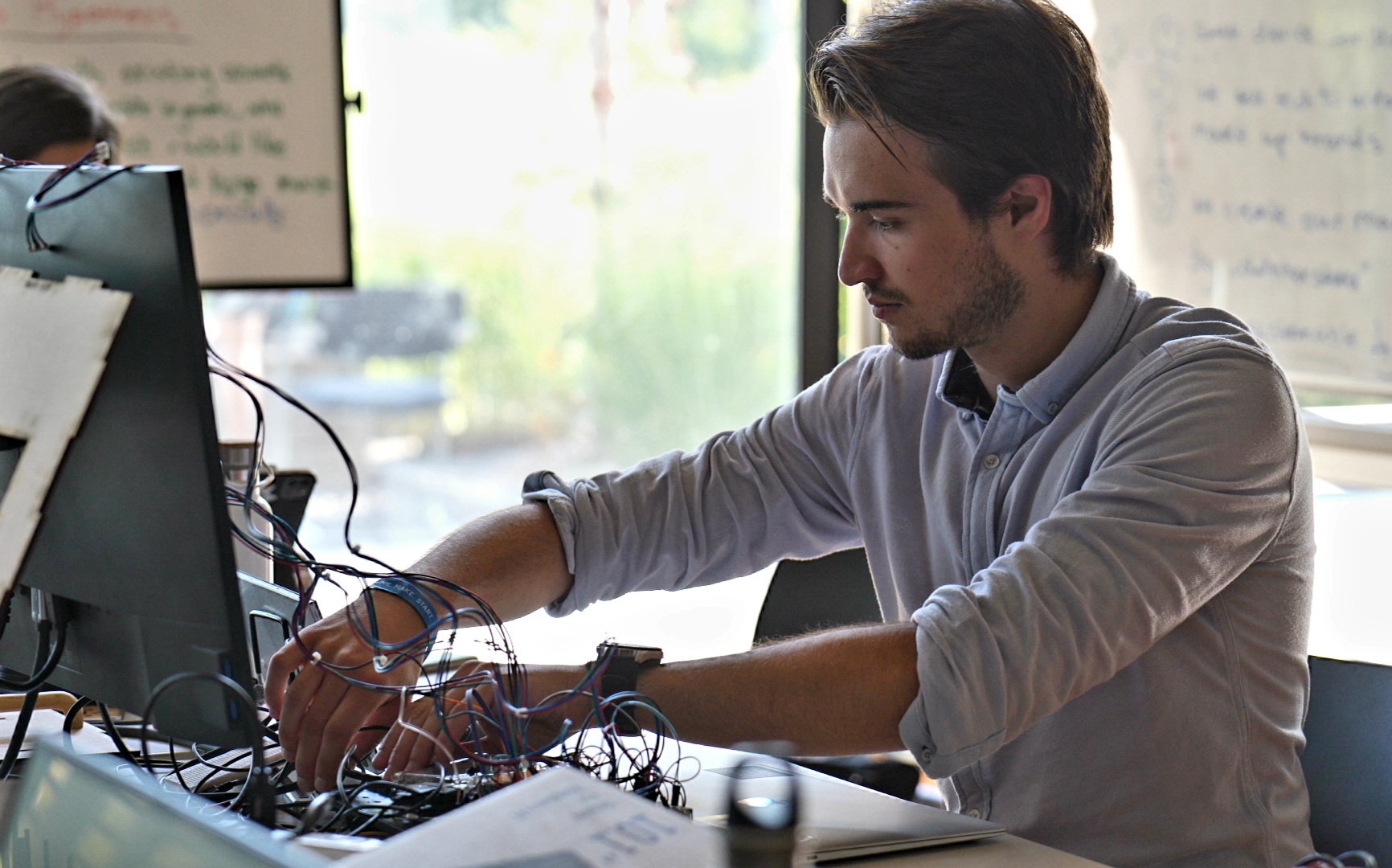
Academic Projects & Papers
Here are some of the projects connected to my time as a Visiting Student Researcher at MIT or related work after the stay:
Y-zipper: 3D Printing Flexible–Rigid Transition Mechanism for Rapid and Reversible Assembly
Y-zipper is a novel 3D-printed, three-sided zipper mechanism that transforms flexible strips into rigid, load-bearing rods through a single zipping motion — enabling rapid and reversible assembly for applications ranging from medical wrist braces to deployable tent structures.
Featured on the Hacker News front page (291 points)
ShiftLens: Mechanically Actuated Optical Surfaces for Switchable Appearances on 3D Objects
ShiftLens is a design and fabrication system for 3D-printed objects whose surfaces switch between different appearances when mechanically actuated, without any electronics. I worked on the automated Grasshopper pipeline that generates the 3D designs.
Algorithms
My Projects
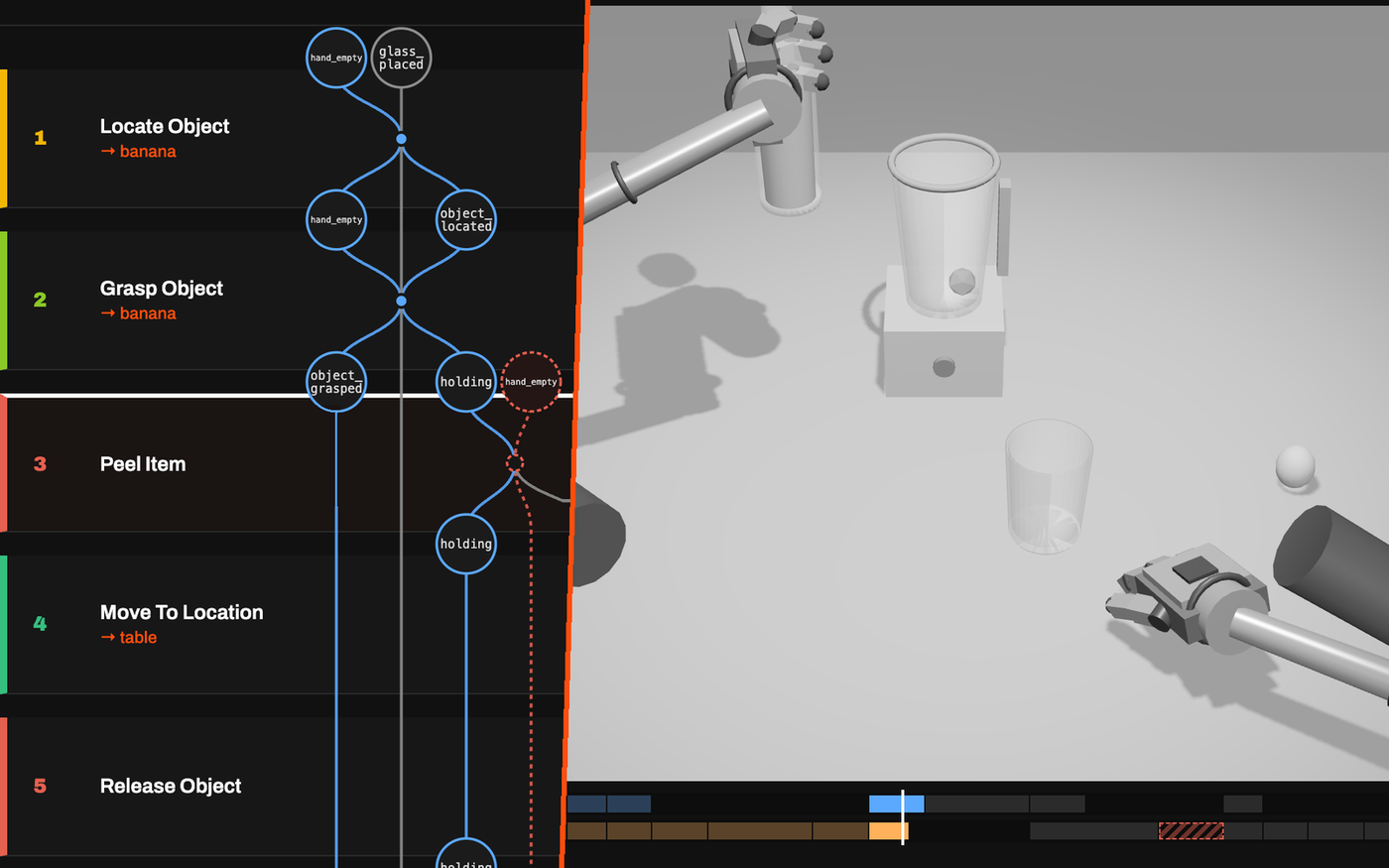
Skill-Builder – Zurich Physical AI Hackathon (2026)
1st place in the Skills Track at a 30-hour European robotics hackathon. As part of a team, I built the skill store software: you describe a task in plain language, and an LLM turns it into a validated sequence of reusable robot skills. It flags any skills that are still missing and finds training footage for them in well-known public datasets such as EPIC-KITCHENS and Egocentric-10K. The resulting plan plays back as a Three.js simulation.
GitHub →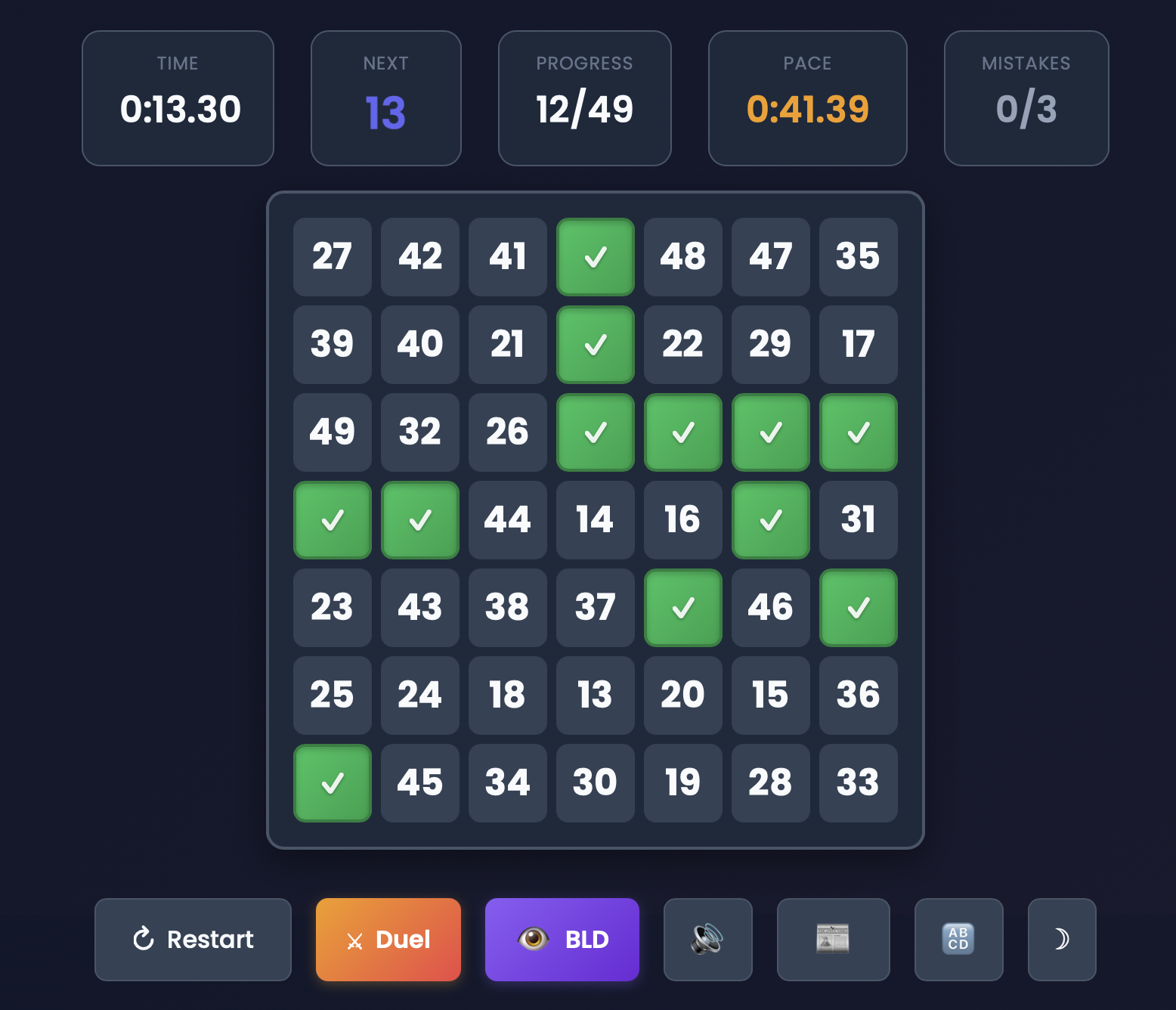
The Tracing Game (2026)
What started out as a fun vibecoded idea from a group chat with friends, very quickly spread into a small browser game, with more than 47k completed rounds played with users from 7+ countries.
Click here to play →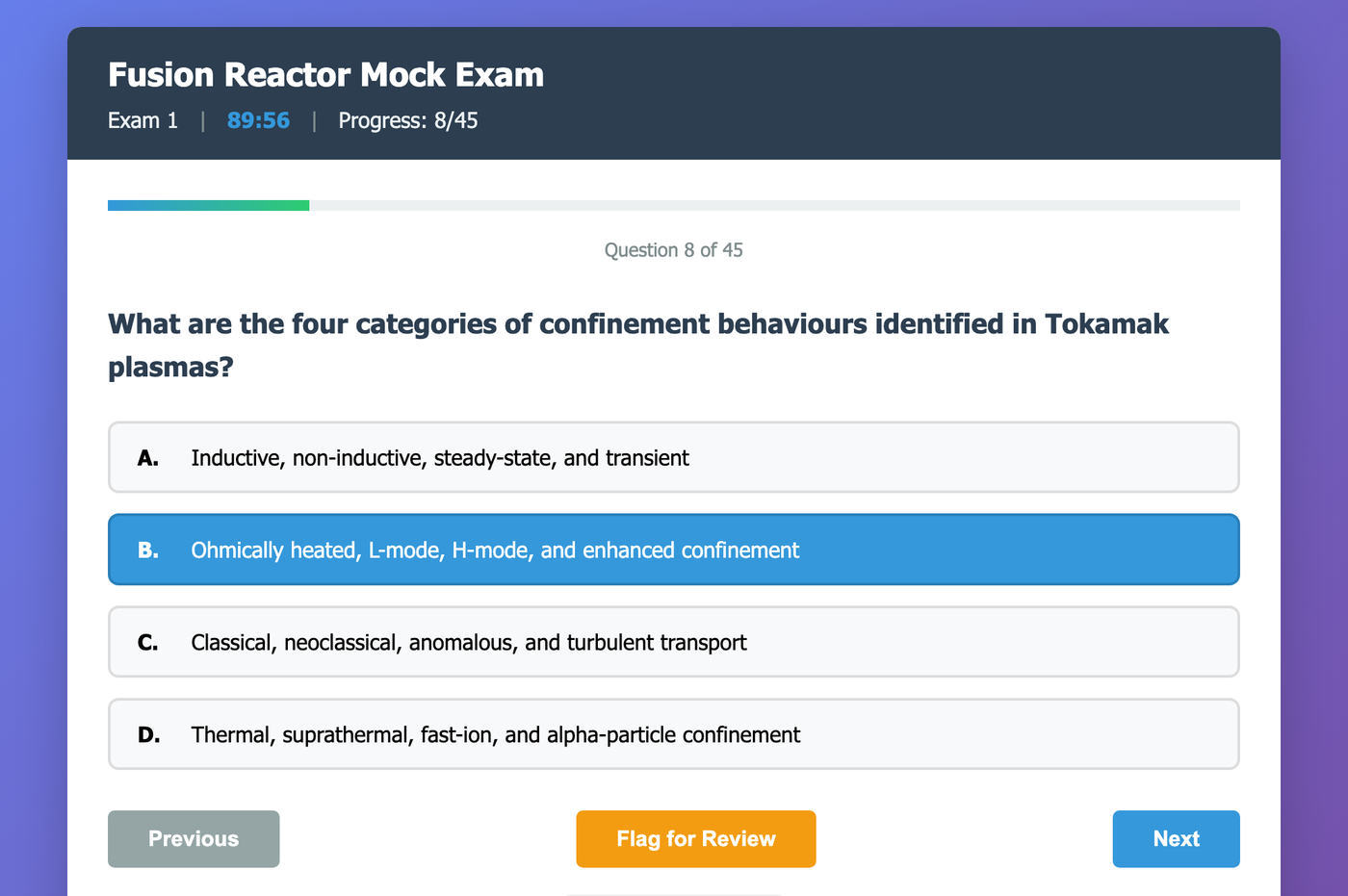
Fusion Reactor Mock Exams (2026)
TUM exam preparation tool: a small mock exam website I built to prepare for an exam with very few practice resources. I generated ten mock exams from the lecture slides. If you're taking MW1112, feel free to use it.
Click here to open →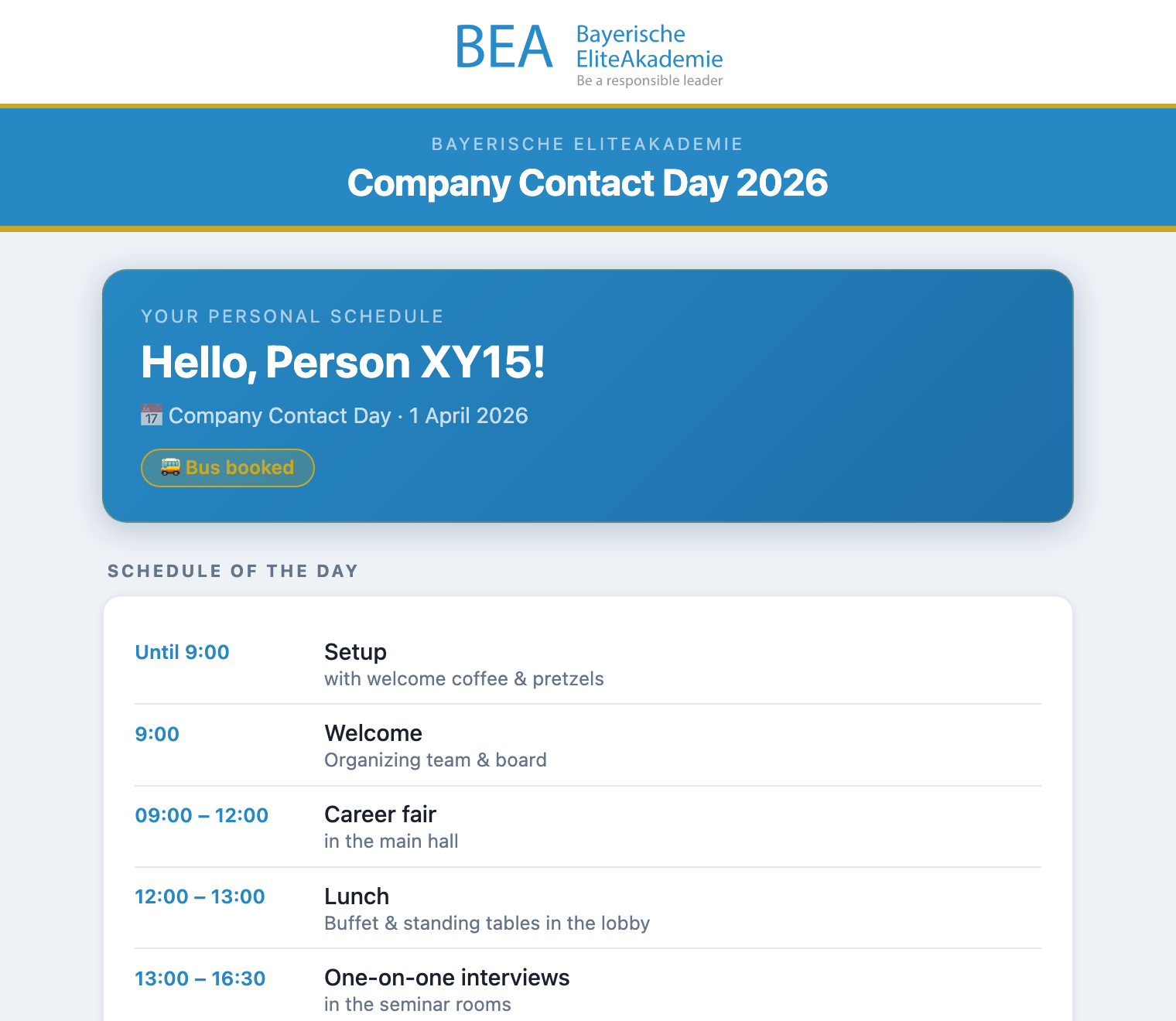
Company Contact Day Schedule (2026)
A small web app I made for a company contact day of the Bayerische Eliteakademie study program: each participant scanned a QR code and saw their personal schedule, including their one-on-one interviews.
Previously firmenkontakttag.com
Click here to open →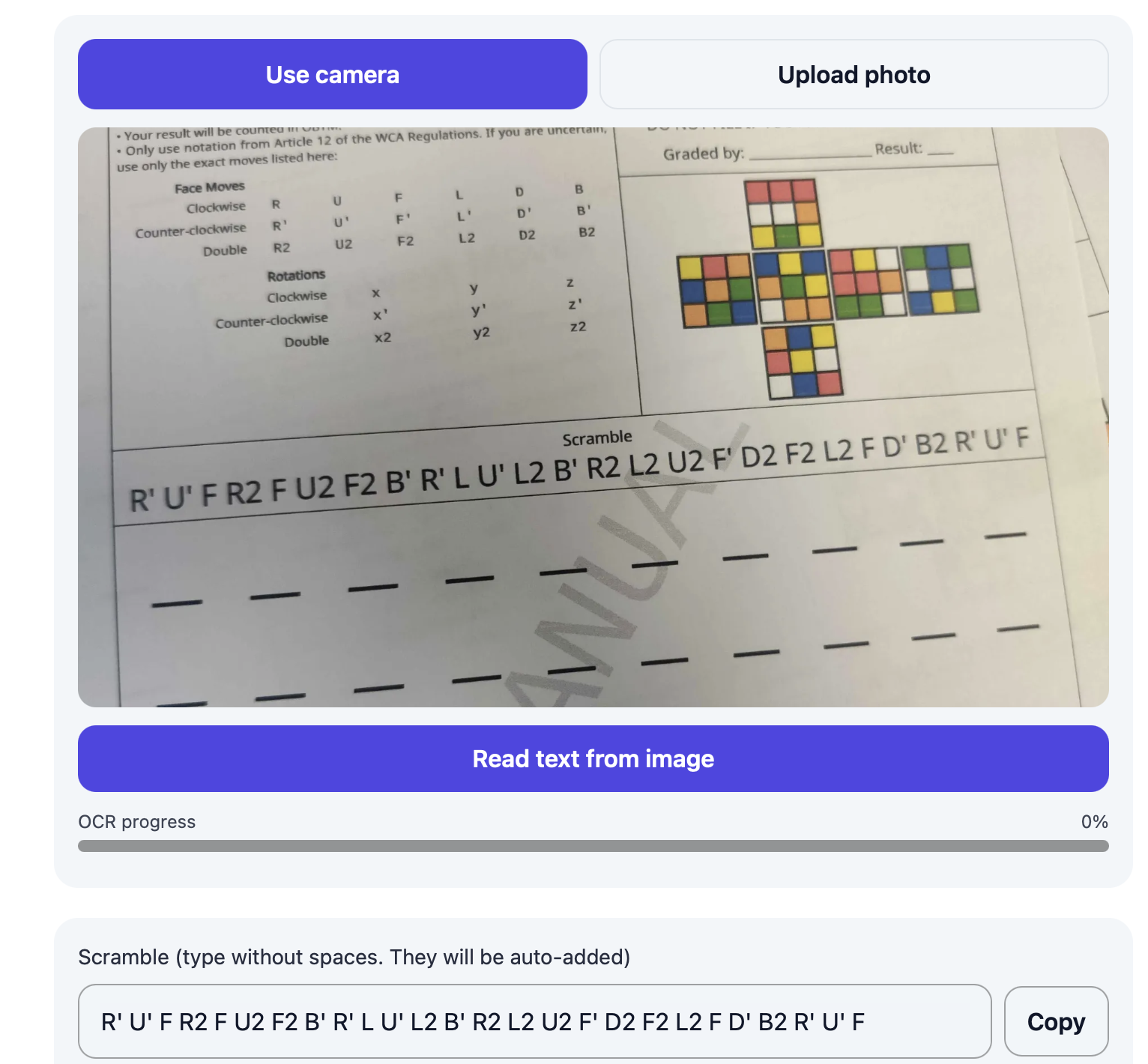
FMC_scan (2025)
Just a small tool, made for the usage of image→scramble recognition, that should be useful for Fewest-Moves Rubik's Cube competitions.
Click here to open →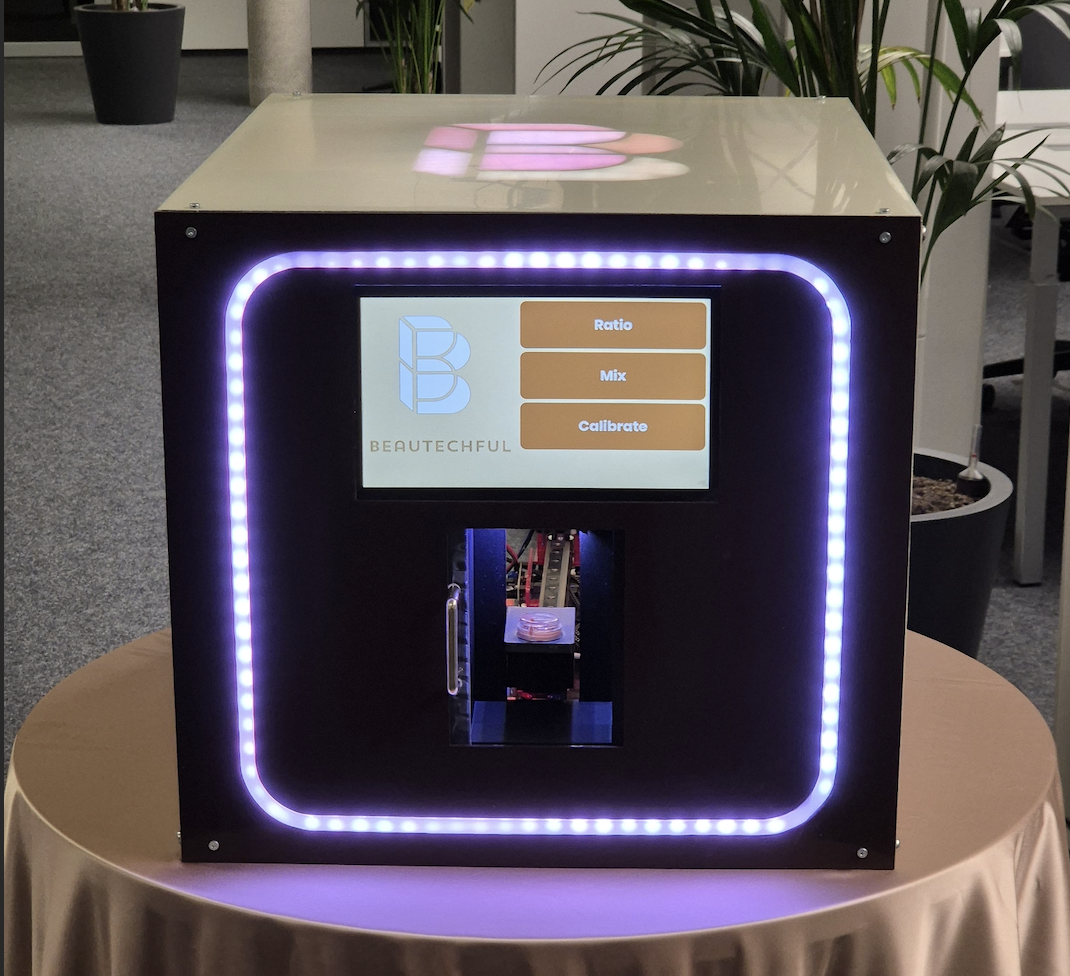
The Foundation Station (2024)
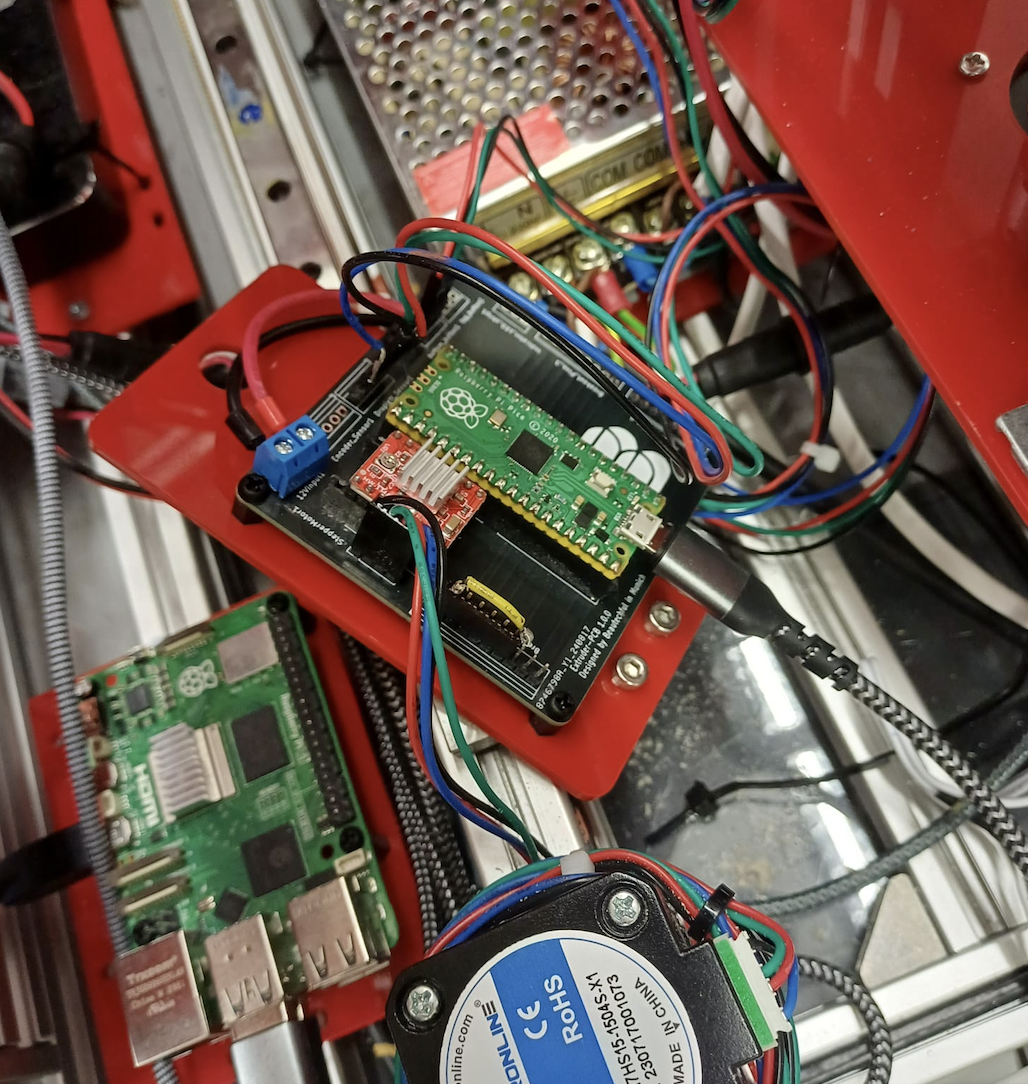
This is the latest iteration of the Foundation Station for the start-up Beautechful, designed for precise skin tone detection and personalized blend dispensing. Features a UI-enhanced interface, LED-strips and real-time ingredient mixing. My points of focus were electronics, lights and design.
Here you can check out beautechful.com
Letter-Pair-Memory-Trainer (2022/23)
As there was no feature for testing and training your memorization and recall of letters on the popular memory sports website memoryleague.com, I decided to code the generator and GUI myself. With this tool it is possible to test your memory palaces, track improvements, generate statistics and time yourself.
View on GitHubSmart Monopoly Game Board (2021/22)
A monopoly-style smart board game developed and built at TUM as part of a first-year electrical engineering project class. We were a team of 14. My role was to lead the general hardware development. Technologies and techniques used include 3D-printing, ESP32, soldering, woodworking etc.
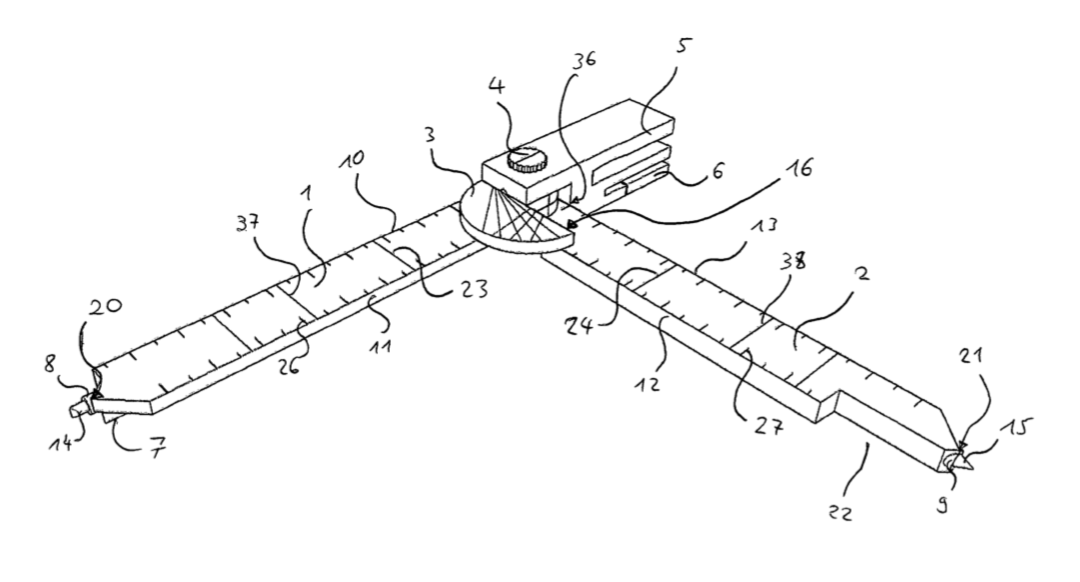
The Multi-Functional Tool "Klapp" (2018/19)
The Klapp combines the functionalities of more than 7 office stationeries into one. It is registered as a utility model at the German Patent and Trademark Office. It was featured on TV channels like RegioTV, SWR and ProSieben on the show "Das Ding des Jahres" and won the 2nd prize at the Artur Fischer Inventor Award 18/19 and iENA gold medal.
Utility model reference: DE202019003424U1 →Speedcubing
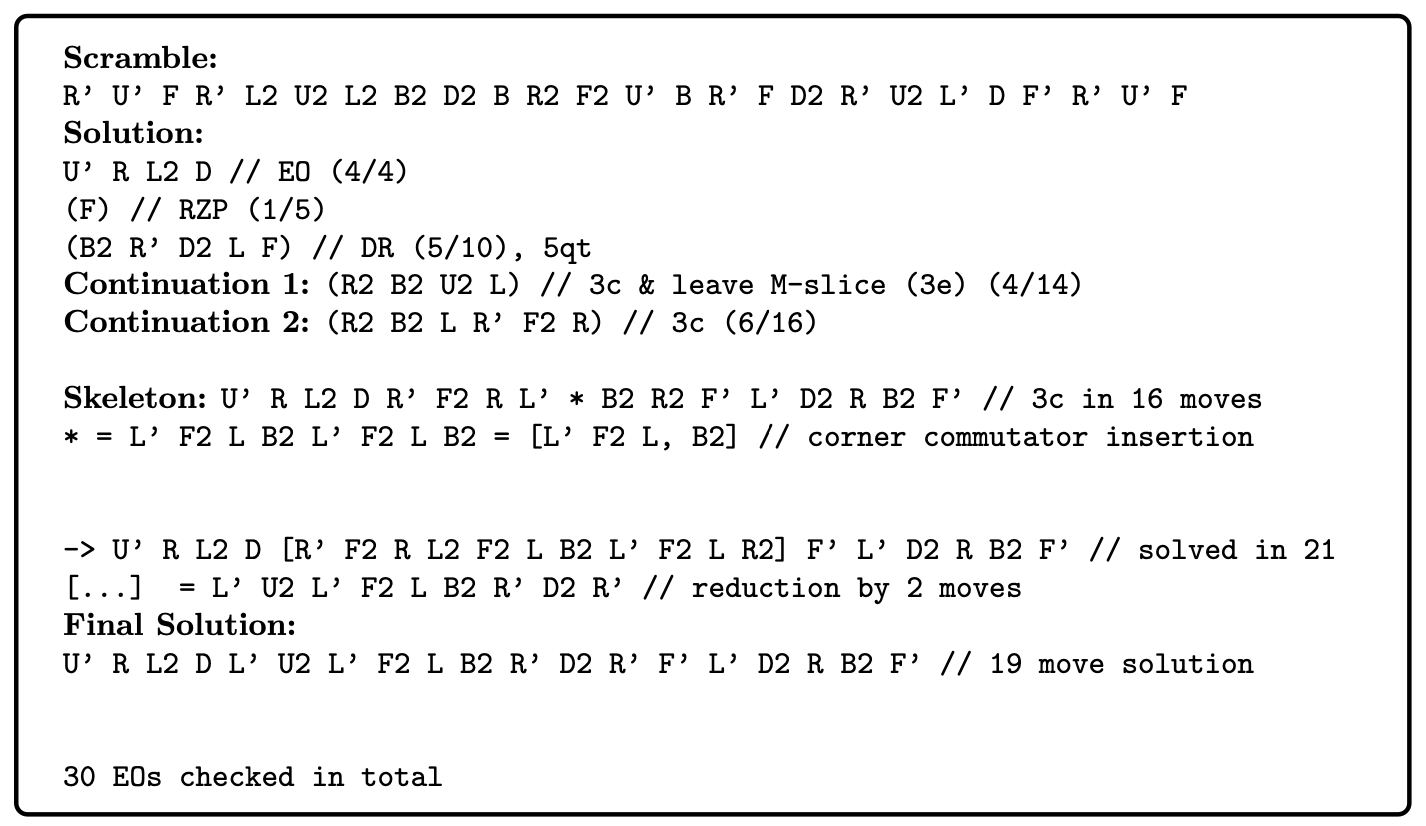
[Former] German National Record – 19 Moves
Thoughts: Finally, I got the German National Record [Former]! There have been more than 5,000 official attempts of “3x3 Fewest Moves” at various WCA competitions in Germany over the last two decades, but many top competitors - including former World Record holders - have not been able to break the magic 20-move barrier (the mathematical upper limit of the Rubik's Cube group). At a competition in Warsaw, I found a 19-move solution. This was shortly after finding a 20-move solution at the European Championship in Spain.